LinkedIn · Thought Leadership LinkedIn · Thought Leadership

Insights. Insights.

Strategy, innovation and leadership in practice, not in theory. These posts reflect what I observe, what I think, and what I have learned from three decades of working inside complex organizations.

Strategie, Innovation und Führung in der Praxis, nicht in der Theorie. Diese Beiträge spiegeln wider, was ich beobachte, was ich denke und was ich in drei Jahrzehnten in komplexen Organisationen gelernt habe.

← Back to hsconsulting.co.at ← Zurück zu hsconsulting.co.at
Patricia Möckesch stellt zu ORGATEC eine gute Frage: Was passiert mit dem Arbeitsplatz, wenn Maschinen mehr und mehr übernehmen?
September 2026

Patricia Möckesch stellt zu ORGATEC eine gute Frage: Was passiert mit dem Arbeitsplatz, wenn Maschinen mehr und mehr übernehmen?

Ich würde die Frage einen Schritt weiterdrehen. Nicht nur der Raum verändert sich. Das Team selbst wird hybrid.

Menschen, KI-Agenten und zunehmend auch Roboter arbeiten nicht mehr nacheinander, sondern nebeneinander an derselben Aufgabe. Das erlebe ich nicht nur in der Theorie. ZKW hat Cobots eingesetzt, physische Roboter, die Seite an Seite mit Menschen an der Linie gearbeitet haben. Die Fragen, die dabei entstanden sind, waren dieselben wie heute mit KI-Agenten: Wer entscheidet was, wer vertraut wem, und was bleibt beim Menschen?

Die spannende Frage ist deshalb nicht mehr, was KI kann. Sondern was es braucht, damit diese Zusammenarbeit tatsächlich funktioniert.

Aus meiner Erfahrung sind es vor allem drei Dinge. Erstens klare Rollenverteilung: Wer entscheidet, wer ausführt, wer kontrolliert? Ohne diese Klarheit entsteht Reibung statt Produktivität. Zweitens Vertrauen durch Nachvollziehbarkeit: Menschen arbeiten nur dann gut mit KI zusammen, wenn sie verstehen, wie ein Ergebnis zustande kommt. Blackboxes erzeugen Skepsis, nicht Akzeptanz. Und drittens, was Patricia mit ihrem Bene Projekt zeigt: Wenn Maschinen organisieren und automatisieren, braucht der Mensch einen neuen, bewussten Grund, physisch zusammenzukommen. Zum Denken, zum Verbinden, zum gemeinsamen Ringen um Lösungen.

Genau an dieser Schnittstelle setze ich mit Tangible an. Die beste Idee ist die, die man erst beim Bauen entdeckt.

Gestern war ich zurück bei Bene in der Neutorgasse.
September 2026

Gestern war ich zurück bei Bene in der Neutorgasse.

11 Jahre seit meinem Abschied. Vieles hat sich verändert, das Unternehmen hat sich weiterentwickelt, wie es sein soll.

Was mich am meisten überrascht hat, war nicht die Methode selbst.

Und doch: Als ich durch die Tür kam, waren es keine ehemaligen Kollegen. Es war Familie. Die Gesichter, die Gespräche, das Gefühl. Man ist sofort wieder zuhause.

Liebes Bene Team, weiterhin viel Erfolg.

Fast neun Jahre habe ich bei der ZKW Group gearbeitet, zuletzt als Head of Corporate Strategy.
September 2026

Fast neun Jahre habe ich bei der ZKW Group gearbeitet, zuletzt als Head of Corporate Strategy.

Seit 2018 Teil von LG Electronics, also österreichische Ingenieurskultur trifft koreanische Konzernstruktur, täglich, in jedem Meeting, in jeder Entscheidung.

Was ich dabei gelernt habe, klingt banal, ist es aber nicht.

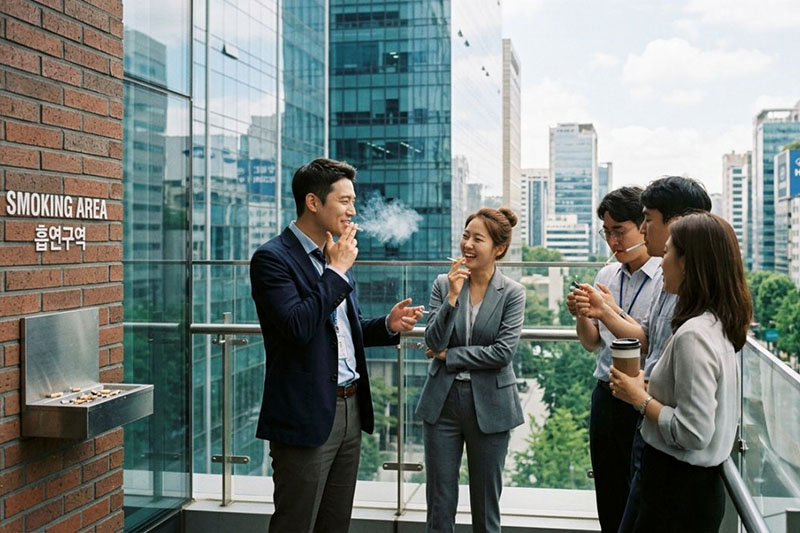
Die wertvollsten Gespräche fanden selten im formellen Meeting statt. Sie fanden in der Rauchpause statt.

Nicht weil die Meetings schlecht waren. Sondern weil koreanische Führungskräfte in formellen Settings unter erheblichem Erwartungsdruck stehen. Position beziehen, Konsens signalisieren, Hierarchie wahren. Was im Meeting nicht gesagt werden kann, weil es das Gesicht des Gegenübers gefährden würde, kommt draußen, informell, oft klarer und ehrlicher.

Wer das nicht weiß, interpretiert das formelle Meeting als das eigentliche Gespräch. Und wundert sich dann, warum Entscheidungen nicht folgen, obwohl doch alle genickt haben.

Interkulturelle Kompetenz zwischen Österreich und Südkorea ist kein Soft Skill. Sie entscheidet, ob Projekte funktionieren oder in endlosen Missverständnissen versanden.

Ich öffne für Herbst 2026 einen reduzierten Einstieg in Tangible Signature:
August 2026

Ich öffne für Herbst 2026 einen reduzierten Einstieg in Tangible Signature:

2.275€ statt 3.500€, für bis zu 8 Teilnehmer.

Der Grund ist einfach. Tangible ist neu, ich habe das Format entwickelt und getestet, aber noch keinen dokumentierten Referenzfall. Den brauche ich, bevor ich das Format zum vollen Preis anbiete.

Im Gegenzug wird der Workshop als Referenzfall dokumentiert. Rahmen und Ergebnis, nicht die Inhalte, die bleiben vertraulich. Das Team gibt ein kurzes Statement, ich nenne die Referenz.

Am meisten reizt mich an Tangible gerade, wie viel schneller ein Zielkonflikt sichtbar wird, wenn man ihn baut statt ihn zu besprechen. Ob das trägt, will ich an einem echten Fall zeigen, nicht nur behaupten.

Wer gerade an einem Zielkonflikt arbeitet und das ausprobieren will, meldet sich bis Mitte Oktober.

Freitag geht es mit der Harley nach Lunz am See.
August 2026

Freitag geht es mit der Harley nach Lunz am See.

Nach einer Woche knapp an den 40 Grad heute früh das erste Mal wieder draußen, kurz ausprobiert und vollgetankt.

Ich treffe Bernhard, der aus der Steiermark dazustößt. Wird Zeit.

A few hours before a decisive client meeting, I nearly handed over a market analysis that would have ended my reputation.
August 2026

A few hours before a decisive client meeting, I nearly handed over a market analysis that would have ended my reputation.

I'd trusted an uncalibrated language model with a critical piece of strategic research. The output read beautifully: confident argument, clean logic, tables that looked like they carried real precision.

During the final check, it fell apart. Historical KPIs were swapped. Sources didn't exist. Strategic milestones were invented outright, dressed up as fact.

I closed the laptop. It was still dark outside.

What scared me wasn't that the model made a mistake. It's that it wrote a wrong answer with total confidence, indistinguishable from a right one, until I checked every number by hand. Twenty years of reputation don't survive a client meeting built on that, and the only reason mine did is that I caught it in time. Not because the tool warned me.

That night is why every AI agent I've built since has another agent whose only job is to challenge its output before a client ever sees it.

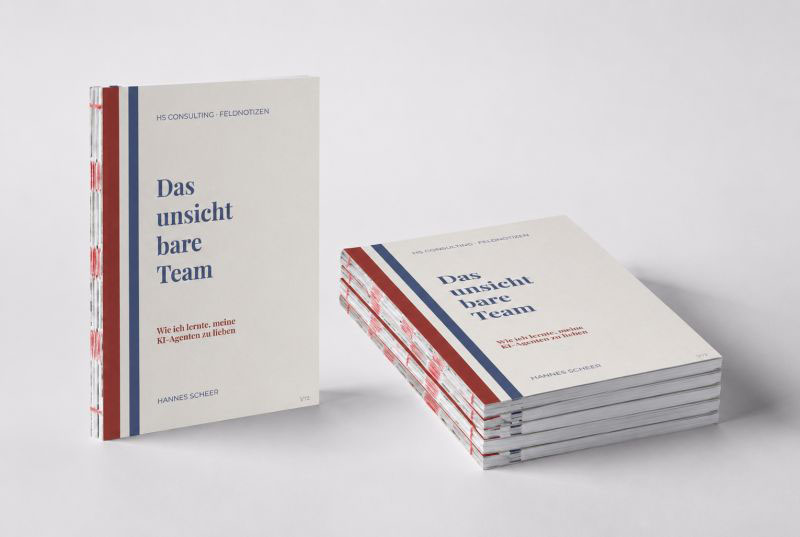
I'm writing about nights like this in a book I'm finishing this year, "Das unsichtbare Team."

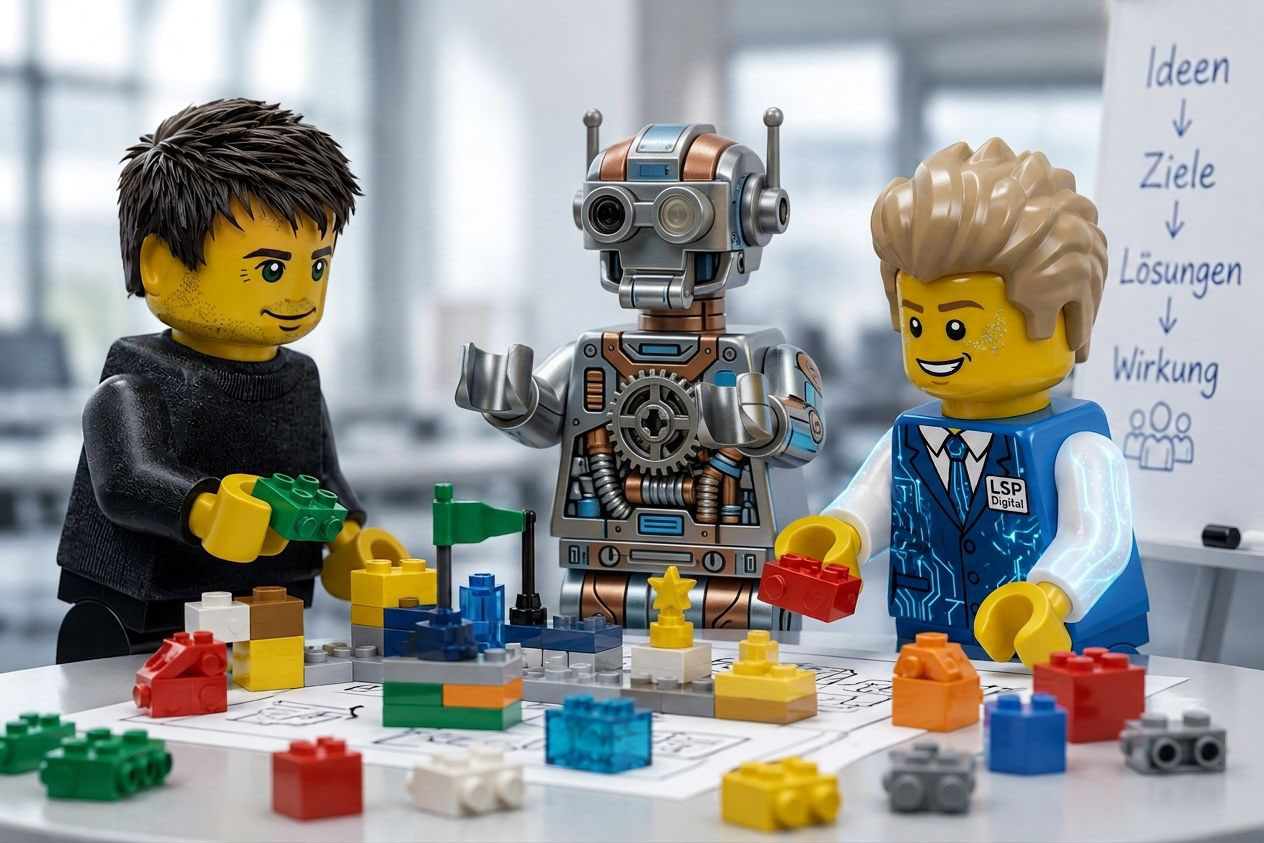
Warum ich eine Woche mit LEGO gebaut habe. Und was das mit Strategie zu tun hat.
July 2026

Warum ich eine Woche mit LEGO gebaut habe. Und was das mit Strategie zu tun hat.

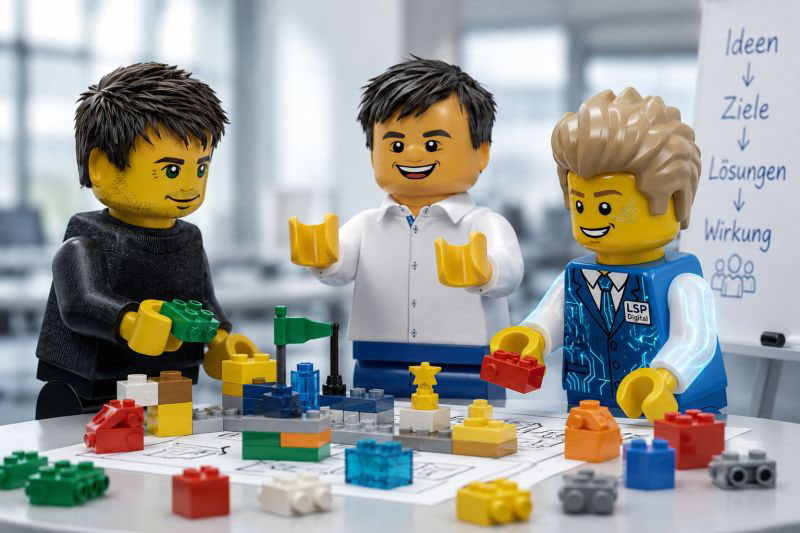
Fünf intensive Tage in Wiener Neustadt. Grundzertifizierung zum LSP-Facilitator, direkt weiter zur Advanced Facilitator Ausbildung.

Was mich am meisten überrascht hat, war nicht die Methode selbst.

Es war der Raum, der dadurch entstand. Auch die Introvertierten waren sofort am Bauen. Kein Zögern, kein Abwarten, wer zuerst spricht. Die Steine haben den Raum demokratisiert.

Das hat mich an etwas erinnert, das ich aus zwanzig Jahren Strategie- und Innovationsarbeit kenne: Präsentationen mit achtzig Folien, die alles erklären und nichts entscheiden. Workshops, in denen Komplexität verwaltet, aber nicht aufgelöst wird. Und immer dieselben fünf Personen, die das Gespräch dominieren.

LEGO Serious Play dreht das um. Wer einen komplexen Gedanken in ein Modell aus ein paar Steinen übersetzen muss, wird gezwungen zu entscheiden, was das Wesentliche ist. Das ist keine spielerische Übung. Das ist Priorisierung in ihrer direktesten Form.

Ich bin jetzt zertifizierter LSP-Facilitator und Advanced Facilitator. Ich freue mich darauf, das dort einzusetzen, wo es wirklich gebraucht wird.

Reframing.
July 2026

Reframing.

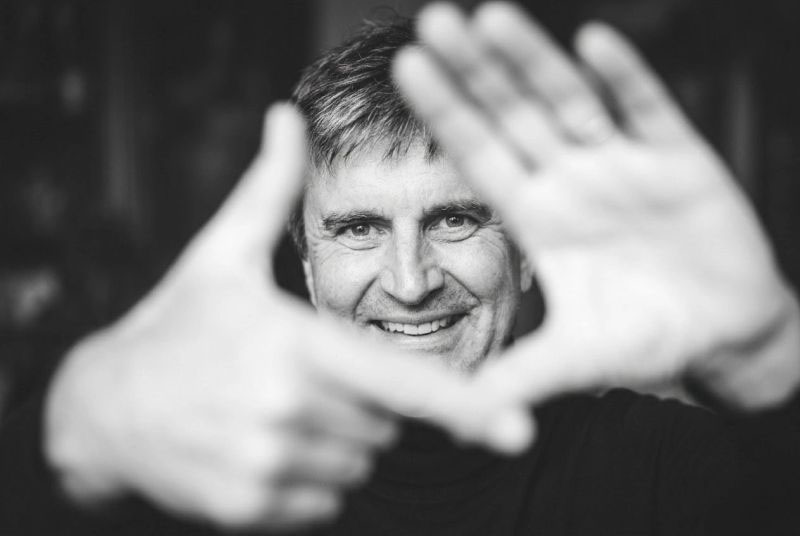
This photo was taken a while ago. I kept it because it shows something I find hard to explain otherwise.

The hands form a frame. The frame itself is blurred. What comes into focus is only visible through it.

I've been thinking about this a lot recently, while sharpening my own offering.

I wasn't asking how to optimize what I already had. At some point the question shifted: what could this actually become?

That's when a new format emerged. A signature workshop combining LEGO Serious Play, TRIZ and AI. The AI component doesn't interpret the models visually. It does something more specific: participants explain their constructions and name the contradictions they see. That explanation gets matched against the 40 TRIZ innovation principles by a trained model, turning what someone built with their hands into a structured starting point for solving what they couldn't articulate before.

Not an add-on to something existing. A different thing entirely.

Reframing didn't mean solving a problem differently. It meant stopping to see it as the same problem.

Thomas Fundneider and Markus Peschl call this a shift from what is to what could be. I've experienced what that means in practice, and it's rarely comfortable.

Mia. Junior. Achilles.
July 2026

Mia. Junior. Achilles.

Einzeln vorgestellt. Jetzt im Einsatz.
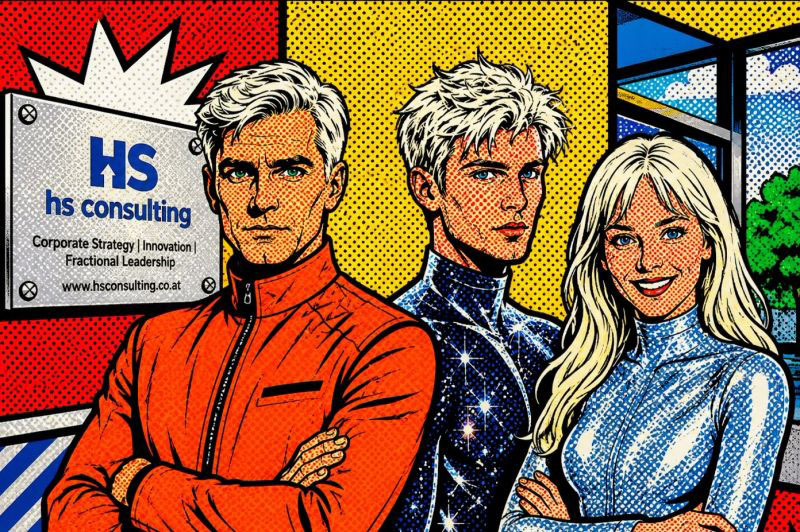
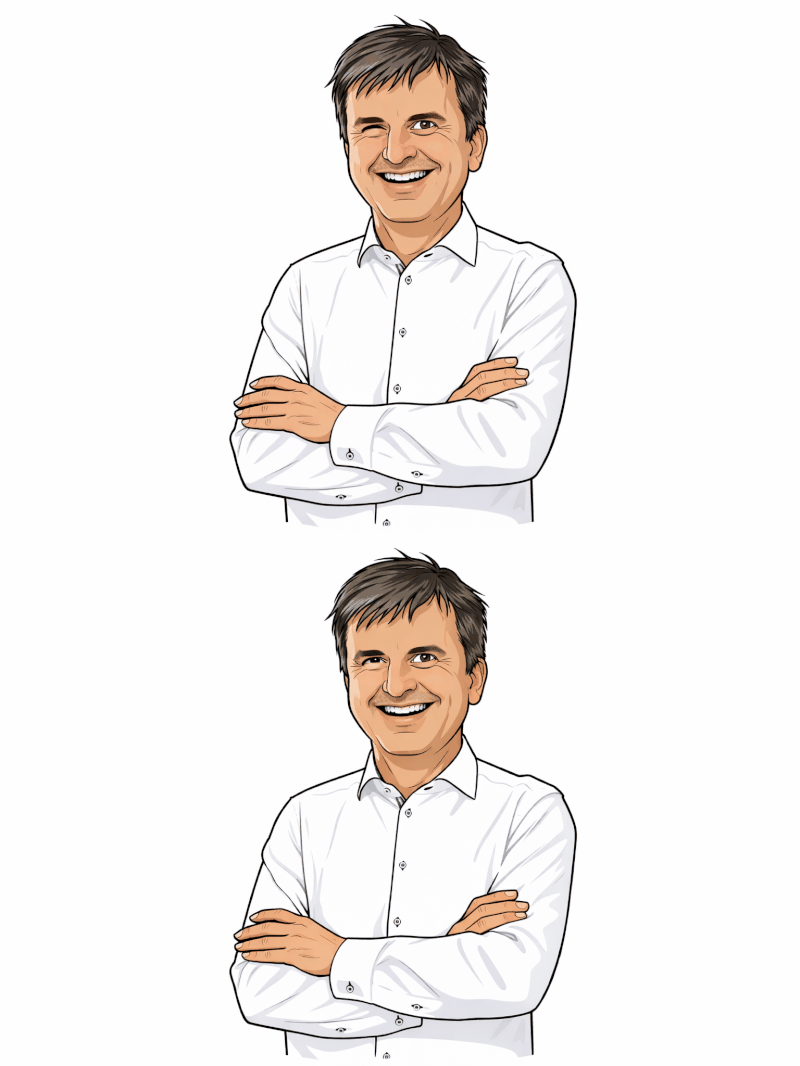
Drei KI-Agenten, die in meiner täglichen Arbeit zusammenspielen: Analyse, Synthese, kritisches Hinterfragen. Nicht nacheinander, sondern als System.

Der Comic-Look macht sichtbar, was inzwischen Realität ist: Moderne Beratung ist hybrider Teamsport, auch wenn nicht alle Teammitglieder Kaffee trinken ;-)

hs consulting, das bin nicht mehr nur ich.

Viele Unternehmen scheitern nicht an fehlenden Ideen.
June 2026

Viele Unternehmen scheitern nicht an fehlenden Ideen.

Sie scheitern an fehlender Klarheit, an Strategien die nicht ankommen, oder an Führungskapazität die genau dann fehlt, wenn sie gebraucht wird.

Dafür gibt es jetzt hs consulting.
hsconsulting.co.at

Ich bin Hannes Scheer. Drei Jahrzehnte in Strategie, Innovation und Produktführung, zuletzt als Head of Corporate Strategy bei der ZKW Group. Jetzt unabhängig, mit vollem Fokus auf das, was ich am besten kann: strategische Klarheit schaffen und dafür sorgen, dass sie auch umgesetzt wird.

hs consulting arbeitet mit Unternehmen in drei Feldern:

Corporate Strategy · Innovation & Product Management · Fractional Leadership

Wer gestalten will, mit dem rede ich gerne.

Most stratey problems aren't about lack of ideas.
May 2026

Most stratey problems aren't about lack of ideas.

They're about the gap between where an organization says it's going and what it actually does on Monday morning.
I've spent more than twenty years in that gap.

At ZKW Group, I worked at the intersection of corporate strategy, innovation, and product management in a company that grew from a regional supplier to a global player inside one of the world's largest electronics corporations. The problems were rarely simple. The timelines were always shorter than they should have been. And the decisions that mattered most were the ones nobody had a template for.
That's the kind of work hs consulting is built for.

Three things I do.

Corporate strategy: helping leadership teams move from vision to decisions. Scenario planning, strategic priorities, roadmaps that people actually use.

Innovation & product management: from opportunity identification to market launch. Portfolio logic, stage-gate discipline, cross-functional alignment.

Fractional leadership: stepping into Director or VP-level roles during transition, restructuring, or when an organization simply needs someone who can hit the ground running.

The clients I work best with are mid-sized to large industrial, automotive, or technology companies that are smart enough to know they have a problem and serious enough to do something about it.

If that sounds like your situation, I'd like to hear about it.

Strategy. Delivered.
hsconsulting.co.at

Three weeks ago I said I was between chapters.
May 2026

Three weeks ago I said I was between chapters.

I meant it. I still do.

But being between chapters doesn't mean standing still.

Over the last few weeks, I've had conversations I wouldn't have had otherwise. With people working on genuinely hard problems. In organizations trying to move faster than their own structures allow. In industries where the rules are being rewritten while the game is still being played

Those conversations confirmed something I already suspected: the thinking I've spent twenty years building doesn't belong to one company or one title. It belongs to the problems worth solving.

So I made it official.

hs consulting is how I'm bringing that thinking to organizations that need it now, without the overhead of a long hiring cycle.

Strategy. Innovation. Interim leadership.
For companies navigating transition, complexity, or both.

I'm not abandoning the search for the right permanent role. That door stays open. But I'm not waiting either.

If you're working on something where strategic clarity would make a difference, let's talk.

hsconsulting.co.at

Don't Take Yourself Too Seriously ;-)
May 2026

Don't Take Yourself Too Seriously ;-)

There’s something liberating about realizing that the world keeps spinning - even if your presentation wasn’t perfect, your strategy slide had one typo, or your big idea needed three iterations before it made sense.

Somewhere along the way, especially in leadership and corporate environments, we start believing that seriousness equals competence. That authority requires intensity. That impact demands constant gravity.

It doesn’t

In fact, the opposite is often true.
The leaders who create real followership are not the ones who perform perfection. They are the ones who are comfortable enough to smile at themselves. Who can admit, “That didn’t work.” Who understand that confidence and humility are not opposites, but partners.

Taking your mission seriously is essential.
Taking yourself too seriously is optional.

A wink can disarm tension in a boardroom.
A bit of humor can unlock creativity in a stuck team.
A moment of lightness can build more trust than a hundred polished words.

When you stop obsessing over how you appear, you gain space to focus on what actually matters: clarity, courage, and connection.

The irony? The less you try to look important, the more impact you tend to have.

So yes, build bold strategies. Drive performance. Raise the bar.

But every now and then, zoom out, smile, and allow yourself that small wink.
It reminds people you’re human.
And that might be your greatest leadership strength.

What Gen X Can Learn from Working with Younger Generations.
May 2026

What Gen X Can Learn from Working with Younger Generations.

I am Gen X.

I was trained to work hard, stay loyal, and figure things out without much noise. Hierarchies were normal. Long hours were expected. Strategy was built step by step.

And I truly enjoy working with younger generations.

They are faster. More direct. Less patient with politics. They question earlier and expect purpose, not just process. They care deeply about impact, authenticity, and whether what we say actually matches what we do.

That can feel uncomfortable. But it is exactly this discomfort that keeps organizations alive.

As Gen X, we bring experience. We have seen cycles, crises, and long-term consequences. We know that resilience is built over time. We think in systems and trade-offs.

Younger colleagues bring clarity and courage. They challenge assumptions. They move naturally in digital environments. They refuse to accept "because we always did it this way" as an argument.

When experience meets fresh perspective, something powerful happens. Not competition between generations. But collaboration across them.

For me, working with young people is not about teaching them how the world works. It is about understanding how the world is changing.

Bridging Cultures: What I Learned Between Austria and Seoul.
April 2026

Bridging Cultures: What I Learned Between Austria and Seoul.

Working between ZKW Group Headquarters in Austria and LG Vehicle Solutions in Seoul has been more than a business collaboration. It has been a lesson in culture.

In Austria, communication is direct and solution-oriented. Feedback is explicit. Hierarchies tend to be flatter, and ownership is widely distributed. Decisions move fast when alignment is achieved.

In Seoul, communication is more nuanced. Respect and harmony shape conversations. Hierarchies are clearer, and decision processes often follow structured internal alignment. Commitment and dedication to the team are remarkable.

Neither approach is better. They are different strengths.

Directness accelerates clarity.
Harmony strengthens trust.
Empowerment fuels initiative.
Structured hierarchy ensures stability.

The real advantage emerges when we combine these perspectives instead of judging them.

Cross-cultural collaboration requires more than alignment on KPIs. It requires empathy, curiosity, and the willingness to adapt your own leadership style.

Global organizations do not succeed because everyone thinks the same way. They succeed because they learn how to think together.

Picture: Global collaboration starts with understanding

Strategy You Can Touch.
March 2026

Strategy You Can Touch.

Can LEGO® Serious Play® strengthen strategy work?

Strategy often lives in slides. Positioning, roadmaps, cost curves, transformation programs.

Yet many strategies fail not because of weak analysis, but because of missing alignment.

LEGO Serious Play can change that.

From abstract words to shared understanding

Terms like focus, innovation or customer centricity mean different things to different people. When leaders build their understanding of a strategic challenge as a physical model, differences become visible immediately.

You do not debate opinions.
You compare models.

That shift elevates the dialogue.

Making complexity visible

In complex organizations, dependencies and trade-offs are hard to grasp. Building value chains, technology ecosystems or future business models with bricks makes interconnections tangible.

Where do we truly differentiate?
Where are we overengineering?
What does reduction of complexity really mean?

Serious work. Playful mindset.

LEGO Serious Play is not a substitute for analysis. It complements it. It strengthens shared understanding behind strategic decisions. And maybe there is a deeper leadership lesson in it:

Take strategy seriously.
But do not take yourself too seriously ;-)

Sometimes the most powerful strategic conversation starts with a brick, not a slide.

Some reunions carry more than memories. They carry stories.
February 2026

Some reunions carry more than memories. They carry stories.

This week, I had the pleasure of meeting Essam S. Foli, MBA again in Austria after more than ten years. The last time we met was in 2014 in Kuwait.

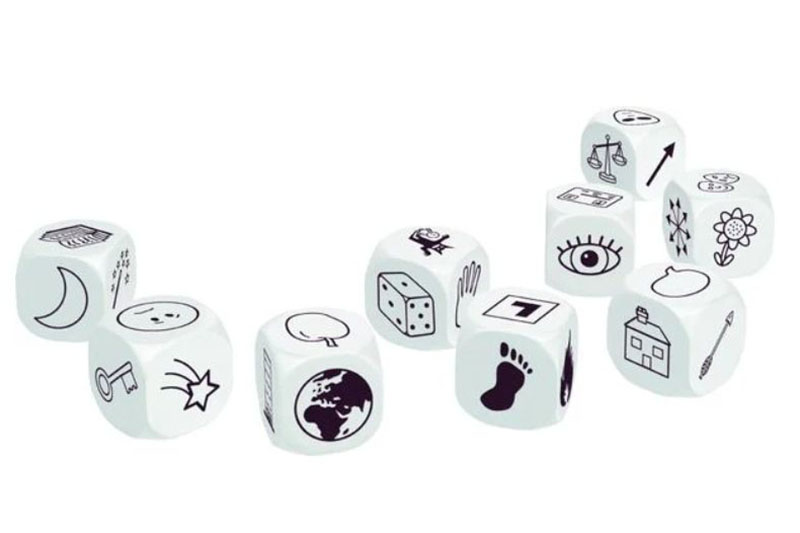
Back then, I was promoting Cube_S by Bene. On my way to the trip, I randomly discovered Rory’s Story Cubes at a board sale before landing. Nine dice, each with simple symbols. You roll them and create a story that connects all images. There are no wrong ideas. The meaning is open, interpretation is everything.

Spontaneously, we integrated the Story Cubes into the product training.

Instead of talking about features and specifications, we asked participants to roll the dice and link the symbols to Cube_S. A castle became a protected focus space. A bridge turned into collaboration. A key symbolized access and flexibility. What started as a playful experiment became a powerful way to translate product into narrative.

It reminded me that business development is often about storytelling. About creating meaning. About connecting symbols, people and context into something coherent.

This week, meeting Essam again at Das Loft in Vienna, we did not roll the dice. But in a way, we continued the story.

Some connections pause. The good ones simply resume.

Culture eats strategy for breakfast.
February 2026

Culture eats strategy for breakfast.

Not because strategy doesn’t matter, but because culture decides what actually happens.

You can have the best plans, bold visions, and perfect roadmaps. If your culture is built on fear, silos, or control, execution will fail. Every time.

Culture shapes how decisions are made, how people act under pressure, and what happens when no one is watching. It’s not a soft factor. It’s a performance multiplier.

Strategy sets the direction.
Culture provides the energy.
Without energy, direction stays theory.